
OptiMATE Gradient Maker for Centrifugation
Automated Density Gradient Sample Preparation
The OptiMATE Gradient Maker simplifies the laborious and error-prone density gradient centrifugation process into an easy-to-maintain operation by automating nearly all pre-centrifuge steps, including gradient preparation, accurate dispensing, and tube sealing, significantly reducing run times without sacrificing purity or yield. The OptiMATE Gradient Maker has achieved the ACT label in the US, EU, and UK.
Request Information or a Quote


Explore OptiMATE Gradient Maker Models
Features of the OptiMATE Gradient Maker
Automated dispense and tube sealing
- Significantly reduce error and improve reproducibility
- Compatible with most common Beckman Coulter tube sizes
- Compatible with Quick-Seal, OptiSeal, and Open-Top tubes
Pre-formed gradients
- Ability to dispense linear and step gradients
- Dramatically shorter run times (75+% reduction) for linear gradients
Simple GUI and method creation
- Train new operators in just hours, not weeks
- Published methods ensure consistency between runs and operators
- On-board visualization of gradient profiles

Automated dispense and tube sealing

Pre-formed gradients

Simple GUI and method creation
- Automated dispensing of both step and linear gradients, and automated tube sealing
- Significantly shorter run times by starting with pre-formed linear gradients
- Improved consistency – reduce errors with automation
- Generate high-quality gradients in just hours even without density gradient proficiency
- Compatible with cesium chloride (CsCl), iodixanol (IDX), and sucrose

Although gradient profiles indicate sufficient separation even at 4 hours, control pre-formed experiments (left) were run for 5 hours while AAV pre-formed experiments (right) were run for 5 hours to improve band resolution/sharpness.
Resources
Improving CsCl Density Gradient Ultracentrifugation Process Through Automated Gradient Formation: Evaluation of the OptiMATE Gradient Maker

5-hour density gradient purification of Adeno-Associated Virus (AAV) using a novel automation platform – the OptiMATE Gradient Maker


Reducing Variability and Hands-On time in Viral Vector purification using the OptiMATE Gradient Maker

OptiMATE Gradient Maker
Features Overview


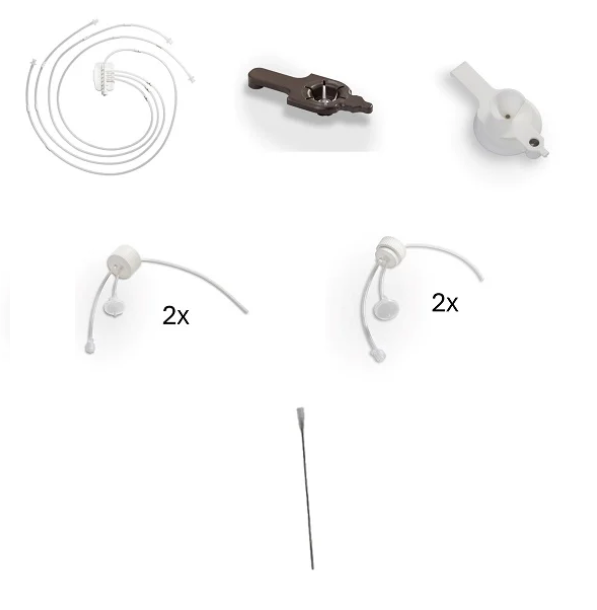
Accessories
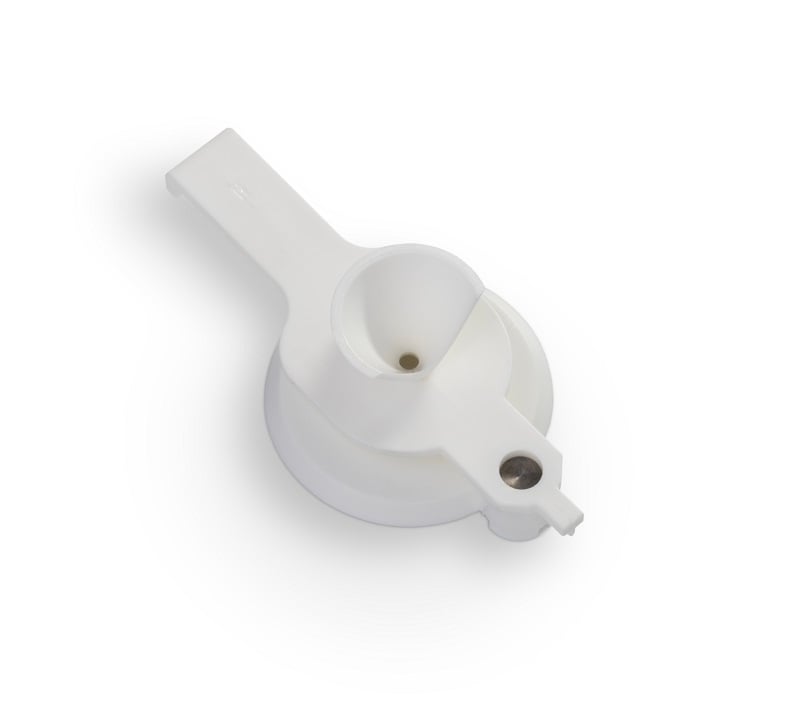
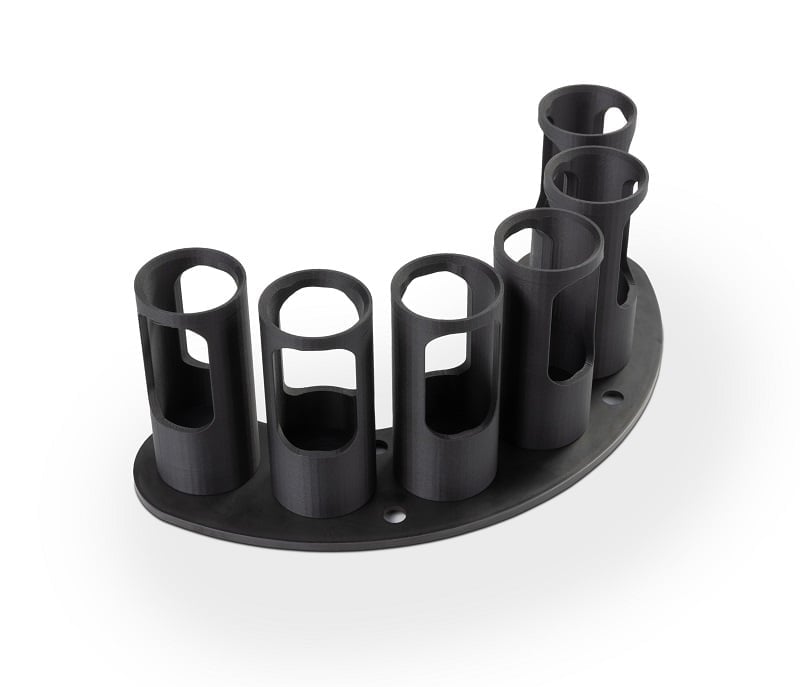
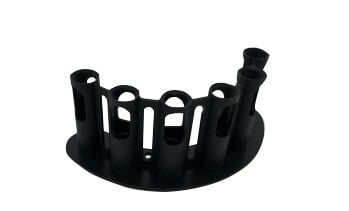

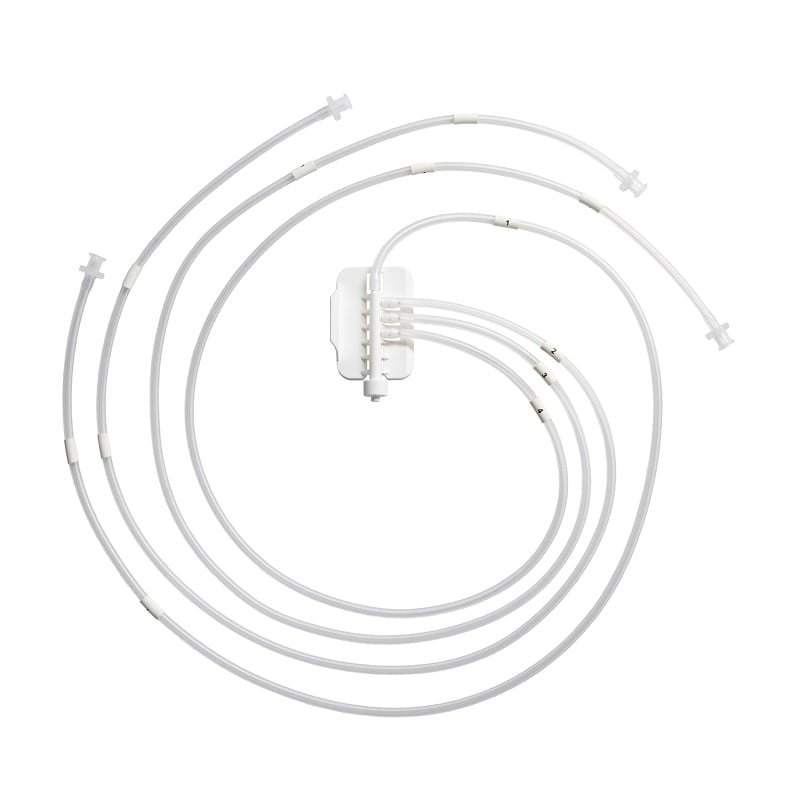
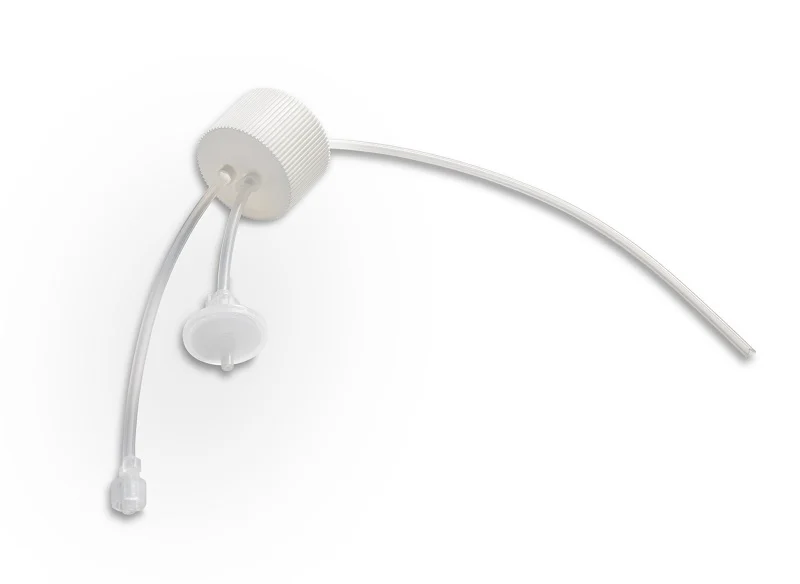
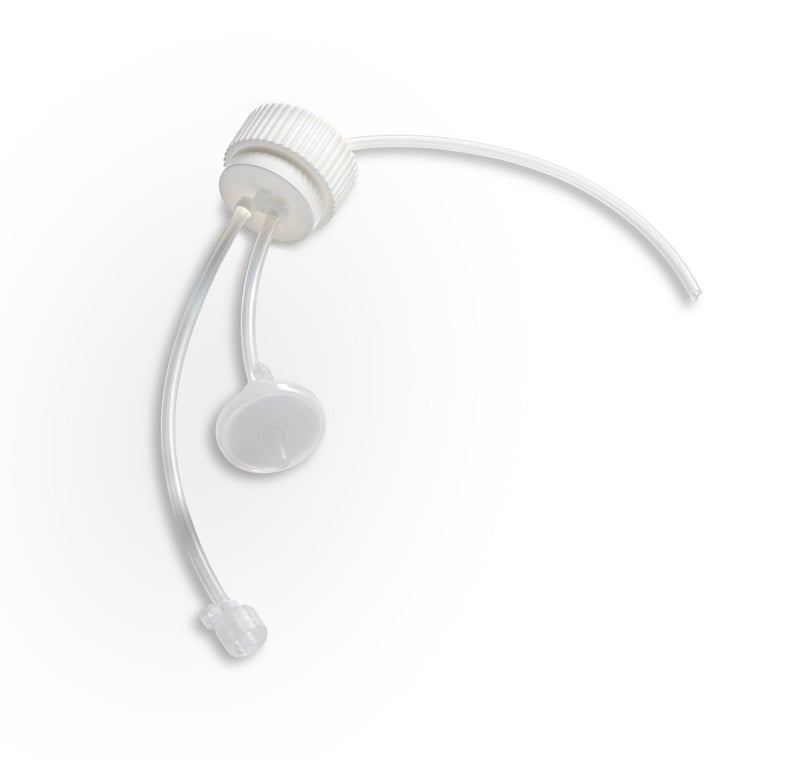
Explore More Solutions for Density Gradient Centrifugation


Technical Documents
FAQ on the OptiMATE Gradient Maker
What is density gradient centrifugation?
Density gradient ultracentrifugation (DGUC) is a centrifuge-based technique for providing superior purification of viral vectors (e.g., isolating full AAV particles from partial and empty capsids), along with other materials (such as plasmid DNA) in gene therapy production workflows. DGUC results in a layered gradient based on the density of materials in the original sample.
What applications is density gradient ultracentrifugation used for?
- Viruses / viral vectors (e.g., AAV)
- Virus-like particles and bacteriophage
- Extracellular vesicles (EVs)
- Proteins / protein complexes
- Lipid nanoparticles
- Synthetic nanoparticles or other nanomaterials
- Nucleic acids / plasmids
- Lipemic separations
What density gradient reagents are compatible with the OptiMATE Gradient maker?
- Cesium Chloride
- Iodixanol (OptiPrep™)
- Sucrose
What tubes are compatible with the OptiMATE Gradient Maker?
Sizes
- 16 mm (8.9 to 13.5 mL)
- 25 mm (29.9 to 39 mL)
- 38 mm (94 mL)
- Quick-Seal
- OptiSeal
- Open-Top
- Polypropylene
- Ultra-Clear
Are the tubing lines reusable?
Yes, tubing lines are reusable. They have been tested to three runs.
Can I use 3rd-party tubes with the OptiMATE Gradient Maker?
No, OptiMATE is only compatible with ultracentrifuge tubes provided by Beckman Coulter Life Sciences.

